


Difference between hydraulic pump and motor
Jan 15,2024
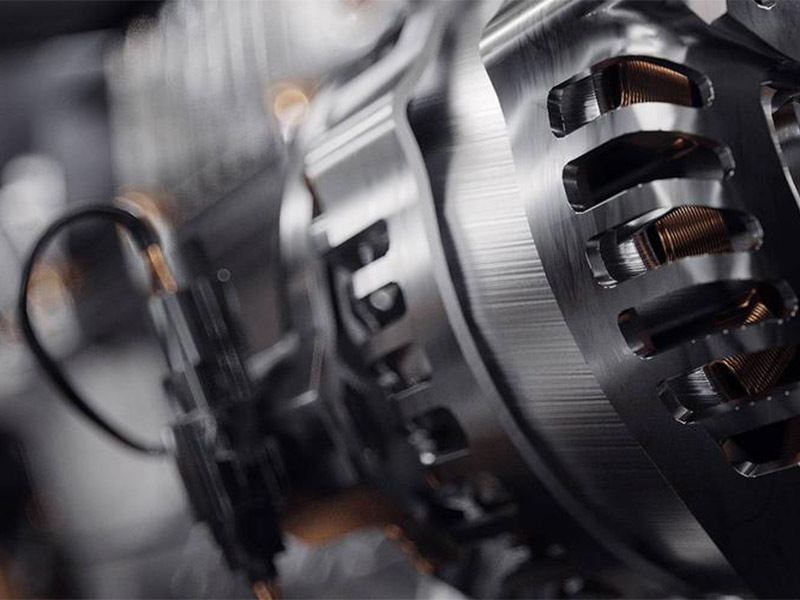
The hydraulic pump is an indispensable part of the hydraulic system. It uses the mechanical energy of the engine to convert it into fluid energy. Hydraulic systems are primarily designed to transmit power in a controlled manner through pressurized fluid. In a hydraulic system, pressure is generated by the design of the applied force and the size of the pipe. The smaller pipes in these systems increase pressure and resistance.
Hydraulic pump Hydraulic motor It is a conversion device used to convert the mechanical energy of an electric motor into hydraulic energy. A hydraulic pump is a conversion device used to convert the energy of liquid pressure into mechanical energy and provide torque and speed. The pump includes a large oil suction port and a small oil discharge port. The motor includes a small oil suction port and oil discharge port. The working speed of the pump is very high. The operating speed of the motor is relatively low. Pump unidirectional operation/motor unidirectional operation. The volumetric efficiency of this pump is very high. The volumetric efficiency of the motor is low. The internal leakage of the pump is small. The internal leakage of the motor is large. The vanes of the pump are mounted diagonally. The vanes of the pump are radially mounted. The low pressure chamber of the pump does not require a vacuum. The motor has a vane in its low-pressure chamber to ensure that it is effective when sucking oil. The starting torque of these pumps is small. These motors have a large starting torque. These pumps come in different types, such as rotary vanes, pistons and screws. These motors come in two types of pistons and plungers as well as vanes and gears.
Previous Page
Next Page
Ousheng
View Mobile

Copyright©2024 Jiangsu Chuanrun OSCEN Hydraulic Co., Ltd.